



Q4 Citing Your Source: Creative Commons
Creative Commons License Attributions
In previous Quests, you may have learned about resources with a Creative Commons license. These are resources that are FREE to use by anyone. Though they are free, there still may be some restrictions on them. Here is a list and their descriptions:
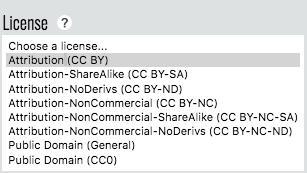
- Attribution (CC BY) - All CC licenses require that others who use your work in any way must give you credit the way you request, but not in a way that suggests you endorse them or their use. If they want to use your work without giving you credit or for endorsement purposes, they must get your permission first.
- ShareAlike (CC BY-SA) - You let others copy, distribute, display, perform, and modify your work, as long as they distribute any modified work on the same terms. If they want to distribute modified works under other terms, they must get your permission first.
- NonCommercial (CC BY-NC) - You let others copy, distribute, display, perform, and (unless you have chosen NoDerivatives) modify and use your work for any purpose other than commercially unless they get your permission first.
- NoDerivatives (CC BY-ND) - You let others copy, distribute, display, and perform only original copies of your work. If they want to modify your work, they must get your permission first.
Activity
Open Washington has created a tool to help you create citations for resources with a Creative Commons license. It is a fill-in-the-blank form that easily creates the citation for you.
Using something you have created in class, create a citation with the Attribution Tool. Choose at least two of the attribution licenses and then share your results in a Google Doc/Word Doc with your teacher.

Competencies & Standards
MITECS Michigan Integrated Technology Competencies for Students, and
2. Digital Citizen
a. Students manage their digital identity and understand the lasting impact of their online behaviors on themselves and others and make safe, legal and ethical decisions in the digital world.
3. Knowledge Constructor
a. Students use effective research strategies to find resources that support their learning needs, personal interests and creative pursuits.
b. Students evaluate the accuracy, validity, bias, origin, and relevance of digital content.
c. Students curate information from digital resources using a variety of tools and methods to create collections of artifacts that demonstrate meaningful connections or conclusions.
Websites and Documents
Websites