


Q3 Digital Self Portrait: Ideas
This page focuses on extending your digital image skills.
Check with your teacher about creating images or stories for a content-area assignment.
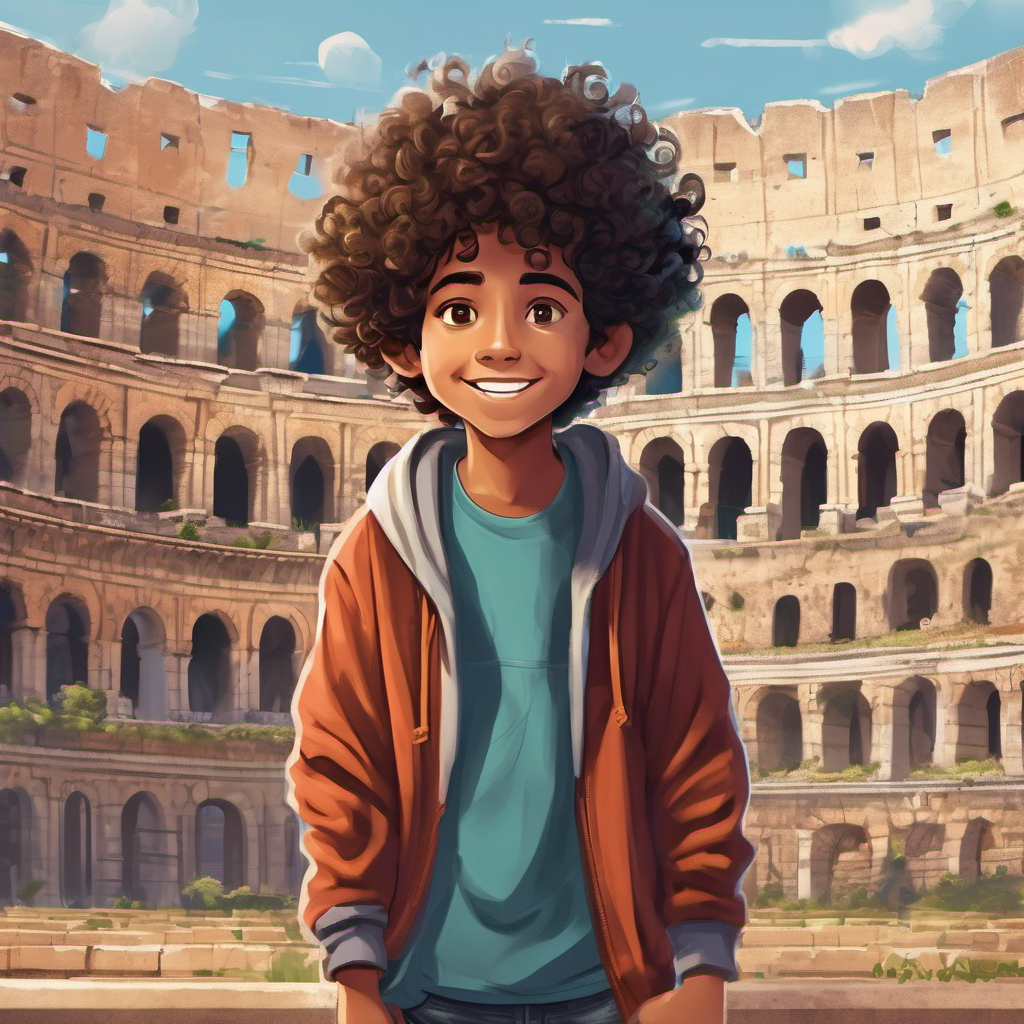
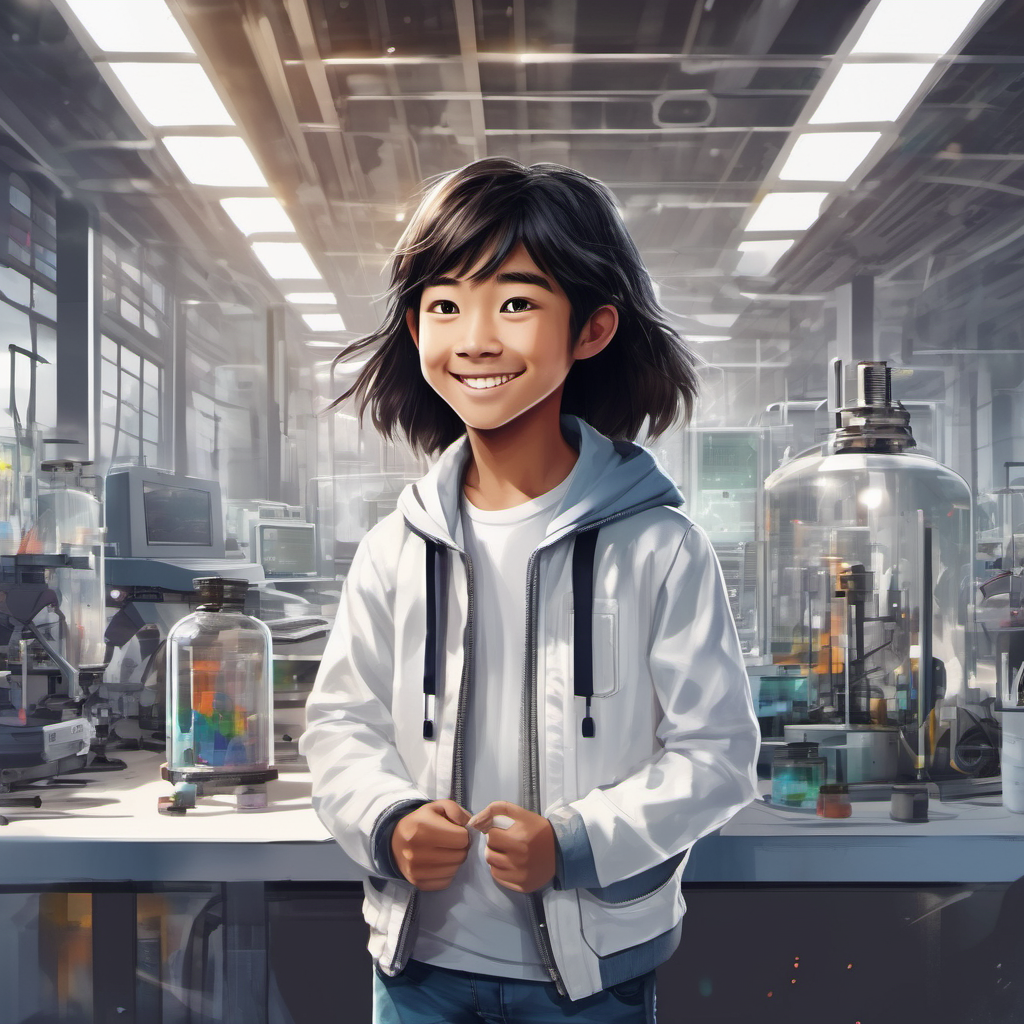
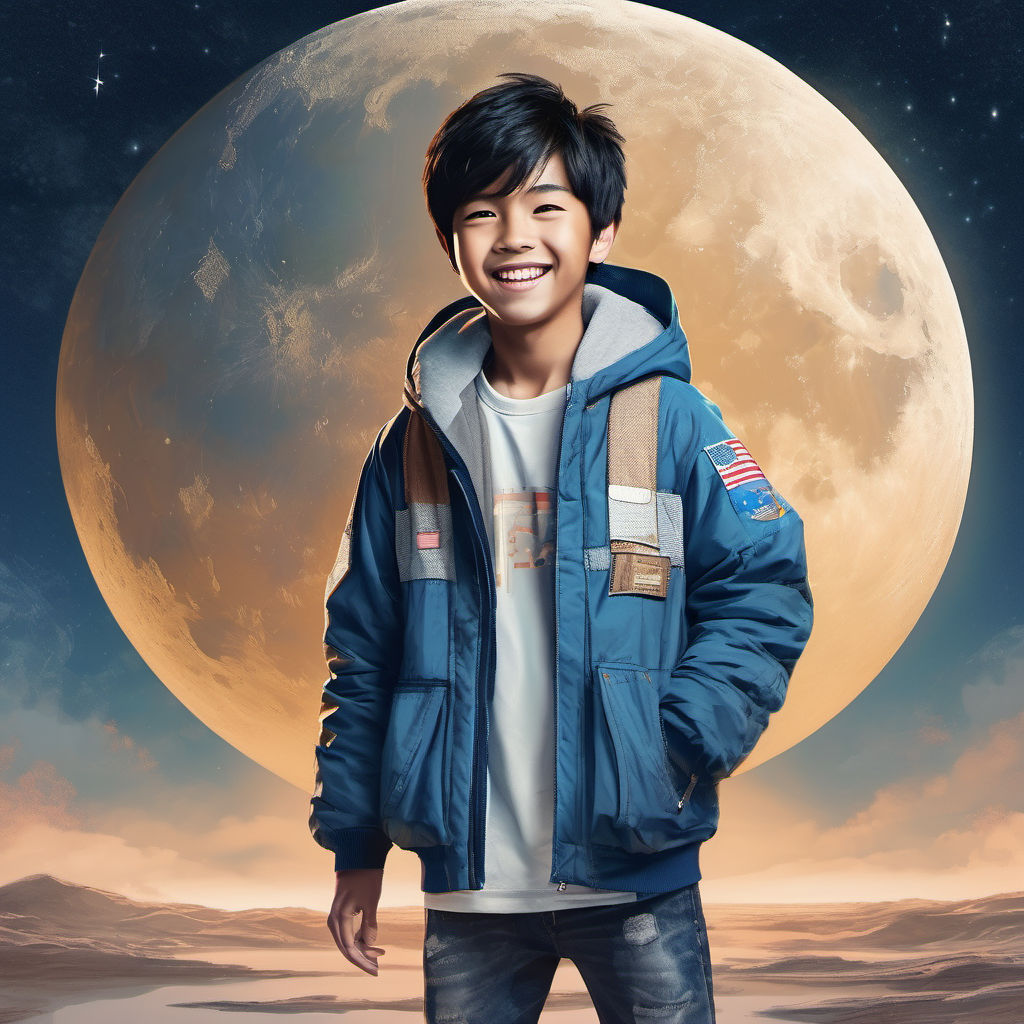
There are endless fun and creative ways to use your digital image editing skills. Let these samples spark your imagination. Sample images below were generated using PIXLR image generatorand writing prompts for different ideas for backgrounds ("A visit to Rome", "I want to be a scientist", "I want to go to the moon and be a space traveler").
Ten IDEAS for The IMages That you Have Created
You may use one of these ideas or your own for a content-area assignment.
1. Application for a job or opportunity, such as a technical school, course, or college.
2. Take a selfie and create a wall of success that includes your achievements in sports, academics, volunteering, or jobs.
3. Pictorial summaries of special events with your family, friends, trips, and concerts as a keepsake or to share.
4. Document activities such as science experiments, favorite books read, or discoveries.
5. Story starters like the photos at the top of this page.
6. Create a "My life across the years" like a diary.
7. Diary: include your thoughts, experiences, and feelings with sample images.
8. Write and illustrate your writing: song lyrics, poems, and stories.
9. Study guides for reviewing content from your different subject areas can be used as flashcards.
10. Imagine: Place your selfie image into a different location, country, and time using a different background for your image. Write about what you imagine life would be like there.

Competencies & Standards
MITECS Michigan Integrated Technology Competencies for Students, and
1. Empowered Learner
c. Students use technology to seek feedback that informs and improves their practice and to demonstrate their learning in a variety of ways.
d. Students understand fundamental concepts of how technology works, demonstrate the ability to choose and use current technologies effectively, and are adept at thoughtfully exploring emerging technologies.
2. Digital Citizen
a. Students manage their digital identity and understand the lasting impact of their online behaviors on themselves and others and make safe, legal and ethical decisions in the digital world.
b. Students demonstrate empathetic, inclusive interactions online and use technology to responsibly contribute to their communities.
c. Students safeguard their well-being by being intentional about what they do online and how much time they spend online.
d, Students take action to protect their digital privacy on devices and manage their personal data and security while online.
6. Creative Communicator
a. Students choose the appropriate platforms and digital tools for meeting the desired objectives of their creation or communication.
b. Students create original works or responsibly repurpose or remix digital resources into new creations.
c. Students use digital tools to visually communicate complex ideas to others.
d. Students publish or present content that customizes the message and medium for their intended audiences.
Websites and Documents
Websites
- Canva Online Photo Editor
- iPiccy
- Lifeofpix
- Photos for Class
- Pixlr
- Picography
- Pics4Learning
- Remove.bg
- The Selfie Project
21t4s Websites
21t4s Documents & Quizzes